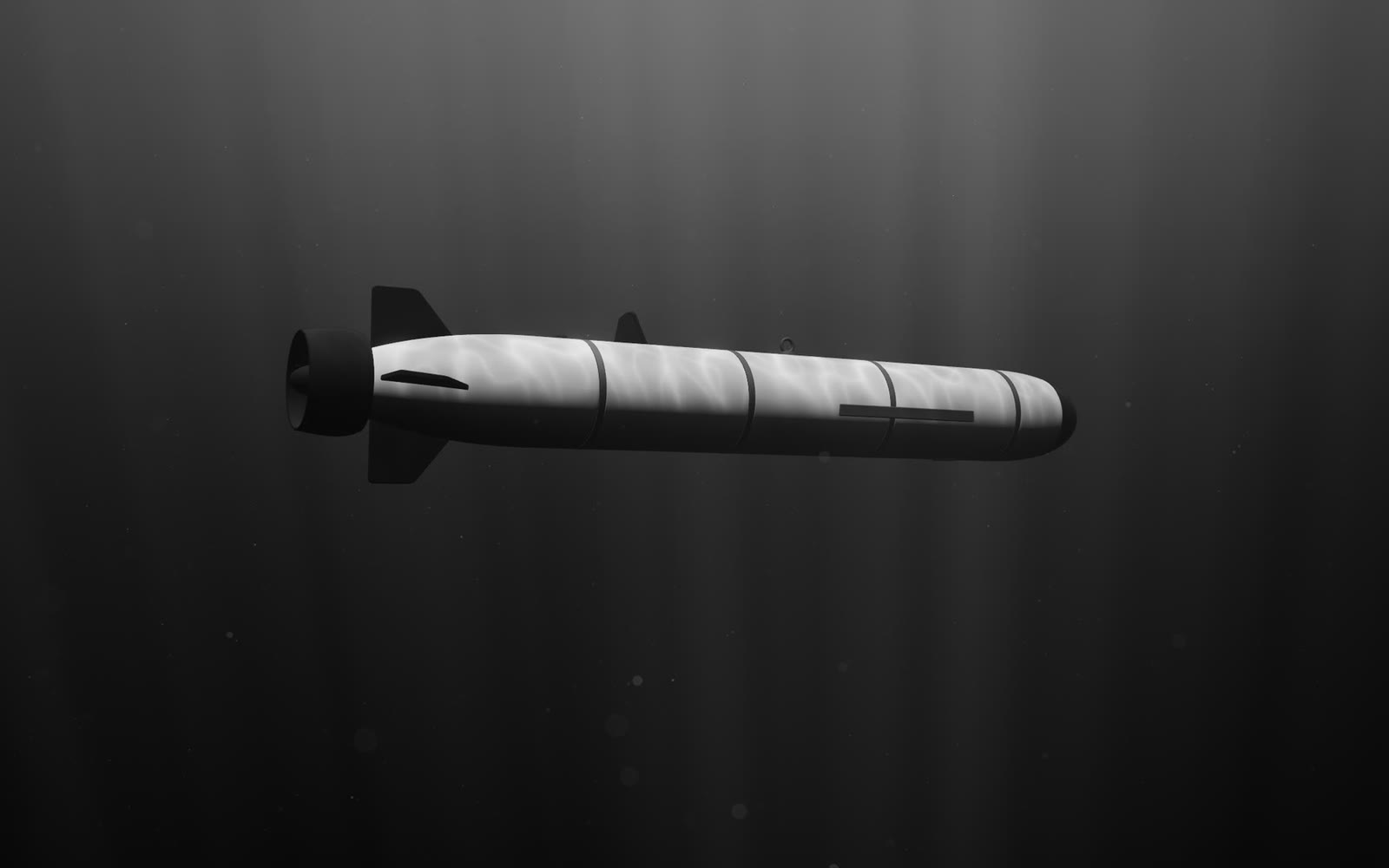
Strategic capabilities reach a working prototype years before an institution can buy them. We back the strongest teams in between, on the evidence, before the market has decided.
A working prototype is not yet a product an institution can buy. Between the two sit integration, certification, production, support and a buyer with a budget. In strategic technology that stretch is long, and public-sector purchasing makes it longer.
Most investors wait for the far side, where adoption is visible. We invest on the near side, and we are exact about what the next round must prove.
Working prototype
Integration
Certification
Production
Support
A buyer with a budget
Where good companies stall
Most capital waits here
We invest here
02Why now
Three shifts.
National labStartup
01
Capability has moved to small teams.
Sensing, autonomy, chip design and software that once needed a national laboratory now start with a small team and a working prototype.
INJPUS
02
Supply chains follow trust.
The supply chains behind chips, batteries, critical minerals and communications are being rebuilt around trusted partners. Someone has to build the new ones.
BuildBuyThe wait
03
Buyers move slower than builders.
A first serious customer can take years. A company that cannot finance the wait stalls, however important its technology.
03Frontiers
Where the edge is strategic.
Three fields where a technical lead is becoming a strategic one, and where a company founded today can still define its category.
Frontier 01 · Sensing & autonomy
Dependable when conditions are not.
Drones, uncrewed vessels, satellites and field sensors are leaving the test range for conditions that are contested, degraded and unforgiving. The value goes to the companies that make performance dependable: integrated, maintained and trusted by the operators who rely on it.
FocusThermal·Radar·RF·Space-based sensing·Autonomy software·Robotics·Uncrewed systems
Frontier 02 · Resilient infrastructure
Harder to disrupt.
Energy, manufacturing and supply chains are strategic assets, which makes them strategic targets. We back storage and electrification, critical materials, and the advanced manufacturing that rebuilds capacity among trusted partners.
Decisions now rest on data that can be manipulated or attacked, and on compute that is scarce. We back the chips, AI infrastructure, quantum technology and cybersecurity that keep information secure and decisions sound.
FocusChips·AI infrastructure·Secure compute·Quantum·Cybersecurity·Trusted information systems
04Geography
Where talent, industry and demand meet.
Strategic technology is not built in one country. We invest in three democracies, each bringing what the others need.
United States
Demand and capital
The world’s largest defense budget, a public sector that has built routes for commercial technology to reach it, and venture markets that can finance a company from prototype to scale. A serious American customer is validation that travels.
India
Engineering talent
One of the world’s largest engineering talent pools, with founders increasingly building hardware and deep technology, not only services. Semiconductors, space and defense manufacturing are national priorities; the India Semiconductor Mission, launched in 2021, marks the shift.
Japan
Industrial depth
Manufacturing, materials, precision components and robotics: the strengths needed at the step where many promising technologies fail, making a difficult thing reliably, at volume. Its 2022 National Security Strategy committed the country to a substantial increase in defense spending.
Why the three belong together.
Strategic technology is increasingly built among partners who trust one another, and these three are closely tied. The United States and Japan are treaty allies. The United States and India launched their initiative on Critical and Emerging Technology in 2023. All three sit with Australia in the Quad.
An algorithm developed in Bengaluru, a component qualified in Japan and a first customer in the United States is no longer an unusual company. It is becoming a typical one. And the hardest problems a young company faces, from manufacturing at scale to a first demanding buyer, are often solved by a partner in another of the three.
A capability can matter enormously to a nation and still fail as a company. These tests tell the difference.
A buyer, not an audience.
Interest is not adoption. We look for an identifiable user, a budget owner and a purchasing path. A paid pilot counts. A letter of support without a budget rarely does.
It works outside the demonstration.
Bench performance is where diligence starts, not where it ends. We ask how the technology performs in the conditions its users actually face, and what has not been tested yet.
A path to deployment.
A working prototype is not yet something an operator can rely on. We look for a realistic route through the steps in between, because this is where strategic hardware companies most often stall.
Capital to a milestone.
The round should reach a proof point that changes the risk materially, even if adoption is slower than planned. Public-sector buying is slow; a credible plan assumes it.
Dual-use is a discipline, not a slogan.
Commercial revenue can fund the long national-security sales cycle; national-security demand can prove a technology in the hardest conditions it will face. But each market needs its own user, buyer and evidence. Two half-markets do not make one whole one, so we ask to see both sides of the case, and which pays first.
Tested where it will be used
06The essays
Argued in full.
Three short essays make the complete case. Read them and you will know our standard before you apply.